
You tried the 30-day shred.
You signed up for that “get ripped in 2 weeks” challenge.
You lasted four days. Then your knees hurt. Your energy crashed.
You quit.
Sound familiar?
I’ve seen it a hundred times. People chasing intensity instead of consistency. Burning out before they even learn how to squat properly.
This isn’t about willpower. It’s about design.
how to get fit step by step lwspeakfit means starting where you are. Not where Instagram says you should be.
No jargon. No fluff. Just real progression: progressive overload, habit stacking, autoregulation.
All proven. All simple.
I’ve coached people from couch to marathon. Not by pushing harder (but) by adjusting smarter.
You don’t need more motivation. You need a system that bends with your life (not) breaks under it.
This article gives you that system.
Step one is not “go hard.” Step one is “show up and breathe.”
Step two builds on step one. Step three builds on step two.
No guesswork. No shame. No surprise injuries.
Just steady, guided movement. Backed by science and tested in real gyms, real homes, real lives.
You’ll know exactly what to do next.
And why.
The “All or Nothing” Trap: Why You Quit Before Week Four
I tried it too. Went from couch to daily HIIT. Lasted 19 days.
Then my knee screamed. My brain checked out. I stopped.
That’s not discipline failure. That’s biology screaming back.
The ACSM says over 50% of people drop out of new fitness plans within three months. WHO data shows adherence plummets when intensity spikes faster than recovery can keep up.
Tendon remodeling takes 3. 6 months. Not weeks. Not days.
You can’t sprint your way into structural change.
That person who jumped into burpees, sprints, and kettlebell swings every day? Yeah (they) quit after three weeks. Knee pain.
Mental exhaustion. Felt like punishment, not progress.
Gradual doesn’t mean slow. It means aligned with your recovery capacity. Your sleep. Your stress.
Your neuromuscular readiness.
Most programs ignore that. They treat everyone like a robot on a factory line.
The lwspeakfit approach starts where you are. Not where some influencer thinks you should be.
It builds movement literacy before load. Stability before speed. Awareness before effort.
That’s how you actually get fit (step) by step.
Not all at once.
Not never.
The phrase how to get fit step by step lwspeakfit sounds like a Google search. But it’s really a question you’re asking right now.
Are you ready to stop quitting (and) start showing up for yourself?
Your First 4 Weeks: No Gym Required
I started this exact plan after my back seized up walking my dog. Not dramatic. Just ouch, then silence from my core for three days.
Week 1 is about waking up your nervous system (not) burning calories. Movement awareness means noticing how your feet hit the ground. Breathe into your ribs (not) your shoulders.
Three times before every walk. Three 10-minute walks. That’s it.
No pace goals. No tracking. (Yes, I timed mine with my oven timer.)
Week 2 adds squats and wall push-ups. Pause 2 seconds at the bottom of each squat. That’s where your nervous system learns safety. Wall push-ups teach shoulder control before you load them.
Two sets of eight. Stop if your lower back arches.
Week 3 brings resistance bands and posture checks. Do one band pull-apart every time you stand up. Check posture by sliding your shoulder blades down.
Not back. Every time you sit.
Week 4 slots in 1-minute mobility flows. Before your walk: ankle circles, hip circles, neck nods. After: same thing.
It’s not stretching. It’s signaling calm to your brain.
Sore >48 hours? Drop reps by half. Still sore?
Skip resistance. Go back to Week 1 breathing. Motivation dips mid-week?
You’re normal. Do one minute of movement. Just one.
This isn’t about getting shredded. It’s about building trust between your brain and body. That’s how to get fit step by step lwspeakfit (without) rage-quitting by Friday.
I’ve done it twice. Once with a herniated disc. Once with zero equipment.
Real Progress Isn’t on the Scale
I stopped weighing myself daily in 2019. Not because I didn’t care (because) the number lied more often than it told the truth.
Here’s what I track instead:
- Sleep quality (1 (5))
- Stair-climbing ease (how many flights before breath catches)
- Morning posture (head over shoulders? or forward like a question mark)
- Breath-hold time after light activity (30 seconds is baseline)
- Consistency score (days done ÷ days planned)
These measure autonomic resilience (your) nervous system’s ability to recover and adapt. Weight doesn’t show that. Reps don’t either.
Flatlines? They’re not failures. I’ve seen breath-hold time stall for two weeks (then) endurance jumps 40% overnight.
Your body reorganizes before it reveals the change.
That’s why I recommend picking a gym with coaches who notice those shifts (not) just mirrors and treadmills. If you’re wondering which gym should i go to lwspeakfit, start there.
Print a simple tracker: Date | Metric | Observation | Adjustment Made.
No fancy apps. Just paper. You’ll see patterns faster.
And if you’re trying to figure out how to get fit step by step lwspeakfit, skip the 30-day challenges. Start with one metric. Master it for three weeks.
Then add another.
Your body speaks. You just have to listen to the right words.
When to Level Up: Real Signs, Not Guesswork
I wait until my body says yes. Not my calendar. Not my ego.
Three things must line up before I add weight or complexity. First: I can do the movement with full range and breathe deeply through it. Second: I recover in under 24 hours (no) soreness, no fatigue drag.
Third: My form cues happen automatically. No thinking. No reminders.
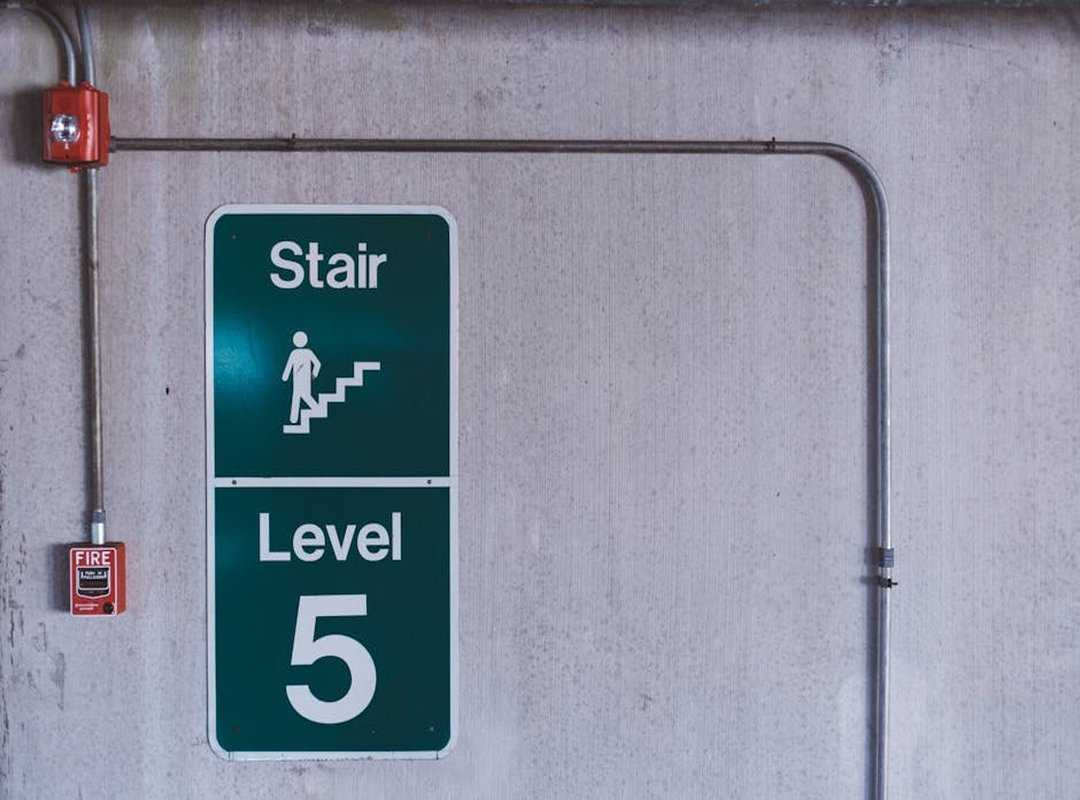
If I’m still counting reps and gripping the floor during push-ups? Not ready. If I need to pause halfway up three flights of stairs?
Nope. But if I walk up those same stairs and talk in full sentences? That’s a go signal.
Push-ups are my litmus test. Wall push-ups first. Hands at shoulder height, slow 3-second down, no pause.
Then incline (hands) on a sturdy table, elbows at 45°, same tempo. Finally: knees or toes. Only when breathing stays relaxed and my ribs stay down.
Leveling up isn’t mandatory. It’s optional. And it only happens when all three signals hit at once.
I’ve seen people rush it. They get stronger (but) sloppier. Then injured.
You don’t earn points for moving fast. You earn results by waiting.
This is how to get fit step by step lwspeakfit (no) shortcuts, no faking it.
No one wins by jumping ahead. You win by showing up exactly where you are. And leaving only when your body says go.
Micro-Check-Ins: Your 60-Second Reset Button
I do this every morning. Before coffee. Before email.
Three breaths. One posture scan. One movement intention.
That’s it. Sixty seconds.
You think that’s too small to matter? (Spoiler: it’s not.)
Micro-check-ins build neural pathways faster than hour-long sessions. Your brain learns from repetition. Not duration.
You’re wiring awareness into daily life, not waiting for “fitness time.”
Low-energy day? Try: “I’ll sit up straight for three minutes after lunch.”
High-stress day? “Every time I click ‘send,’ I’ll roll my shoulders once.”
Post-workday? “I’ll walk to the mailbox before checking my phone.”
This isn’t fluff. Research shows self-monitoring sustains motivation better than goals alone. It keeps behavior alive between sessions.
And yes. It stacks with real training. Which is why I built the how to get fit step by step lwspeakfit plan around these tiny anchors.
The Lwspeakfit fitness guide by letwomeanspeak shows exactly how to layer them into your week (no) overhaul required.
Start Your First Guided Step Today
I’ve seen too many people quit before Day 3. Because they think fitness starts with exhaustion. It doesn’t.
Sustainable fitness isn’t willpower. It’s intelligent, responsive progression. You don’t need motivation.
You need a plan that bends with you.
That’s why Week 1 is your zero-barrier entry point. No gear. No gym.
No pressure to “feel it.”
Just commit to three days. Track one non-scale metric. Do the breathing drill.
Notice how your body responds.
That’s it.
That’s where how to get fit step by step lwspeakfit actually begins.
Your fitness journey doesn’t begin with sweat (it) begins with showing up, exactly as you are.
So open the guide. Start today. The first step is already written for you.
 Margie Barron brought her expertise in health communication to the development of Toe Back Fitness, ensuring that the platform delivers practical, easy-to-understand fitness advice. With a focus on making wellness accessible to everyone, Barron curated content that promotes healthy habits and sustainable routines. Her attention to detail and passion for empowering users through informative articles have been instrumental in shaping the platform’s voice and relevance.