
Introduction: From Lab to Pharmacy – The Journey of a Medicine
This guide gives you a clear, general overview of the complex world of pharmaceutical manufacturing.
Demystifying the highly regulated and precise steps that ensure the medications we rely on are safe, effective, and consistent.
You can trust this overview because it’s based on established, standard industry practices and regulatory guidelines that govern global pharmaceutical production.
We will walk through the entire process, from raw materials to the final packaged product, with a special focus on the critical quality control measures at every stage.
If you’re curious about How Are Zayepro Pharmaceuticals Ltd Drugs Made, you’ll find the answers here.
The Blueprint: Active Ingredients and Formulation Design
When you take a pill, the part that actually does the job is called the Active Pharmaceutical Ingredient (API). This is the core component of the drug that produces the intended health effect. Without it, the medication wouldn’t work.
But the API isn’t the only important part. There are other “inactive” ingredients known as excipients. These include binders, fillers, and coatings. They might not be the stars of the show, but they play a crucial role. Excipients help with the stability, delivery, and manufacturing of the drug. For example, a binder helps keep the tablet together, while a coating can make it easier to swallow or protect the API from stomach acid.
Formulation Science is all about how scientists decide on the final form of the drug. They consider the API’s properties and the patient’s needs. Should it be a tablet, capsule, liquid, or injectable? Each form has its pros and cons. For instance, tablets are easy to store and transport, but some APIs need to be in liquid form for better absorption.
How Are Zayepro Pharmaceuticals Ltd Drugs Made? It’s a process that involves carefully selecting and combining the right API and excipients to create a safe and effective medication.
Pro Tip: Always check the label to see what’s in your medication. Knowing the active and inactive ingredients can help you understand how the drug works and if it’s right for you.
Core Manufacturing Process: Creating a Solid Dose Tablet
When it comes to making solid dose tablets, precision is key. Let’s break down the steps and see why each one matters.
Step 1: Dispensing and Weighing
First up, we need to measure both the active pharmaceutical ingredients (APIs) and the excipients with extreme precision. This ensures that each tablet has the correct dosage. Getting this right means you can trust that every pill you take is exactly what it’s supposed to be.
Step 2: Blending and Granulation
Next, we mix the powders to create a uniform blend. This step is crucial because it ensures that the API is evenly distributed throughout the tablet. Sometimes, we use granulation—either wet or dry—to improve the powder’s flow and compressibility. This makes the next step, compression, much easier and more reliable.
Step 3: Compression
Now, the granulated powder is fed into a tablet press. High pressure forms the final tablet shape. This step is where the magic happens, turning loose powder into a solid, easy-to-take pill. The result? A consistent, high-quality tablet that’s ready for the next phase.
Step 4: Coating (Optional but Common)
Finally, many tablets go through a coating process. This step isn’t always necessary, but it offers several benefits. Coating can mask the taste of the drug, protect the API from light or moisture, and even control how the drug is released in your body. It’s like giving the tablet a protective and functional layer.
Understanding these steps helps you appreciate the care and detail that goes into making each tablet. If you’re curious about the full process, check out how are zayepro pharmaceuticals ltd drugs made. Knowing this can give you peace of mind about the quality and safety of the medications you take.
The Unseen Guardian: Quality Control and Assurance
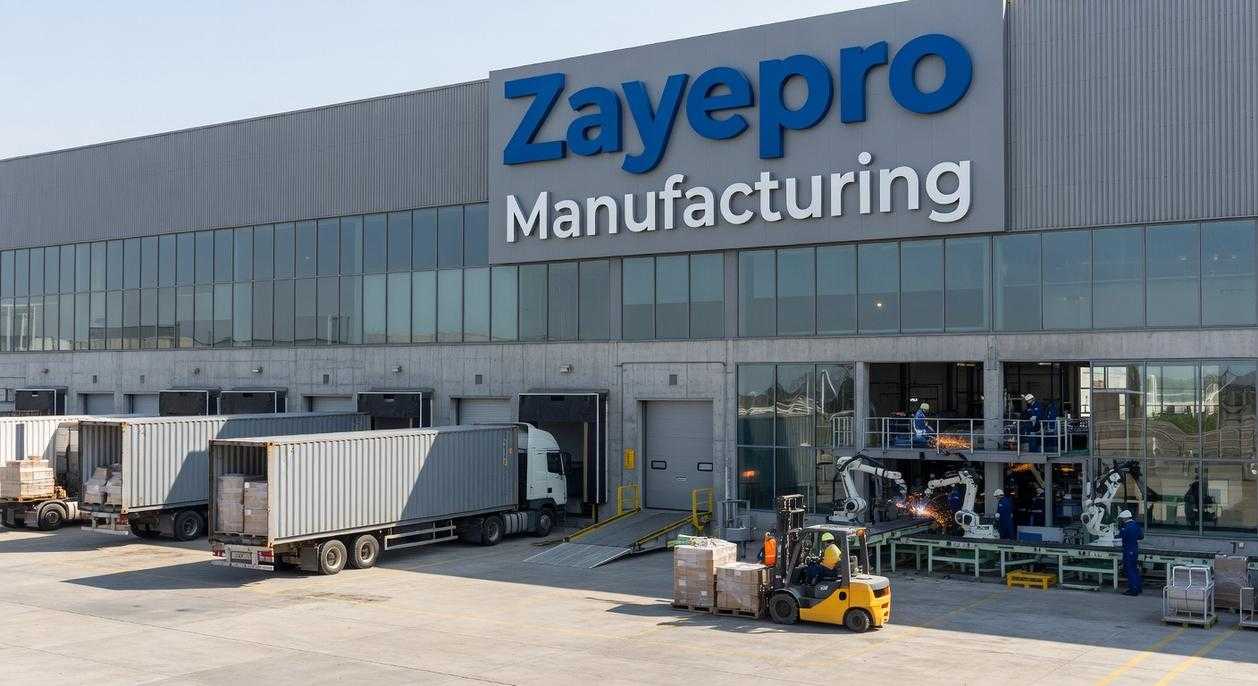
Have you ever wondered how Zayepro Pharmaceuticals Ltd drugs are made? It’s a question that comes up a lot, especially when we’re talking about the quality of the medications we take. Let’s dive into it.
Good Manufacturing Practices (GMP) are the backbone of it all. GMP is a set of rules enforced by agencies like the FDA. These rules make sure quality is built into every step of the process, not just checked at the end. It’s like making sure the cake is baked right, not just tasting it after it’s done.
In-Process Controls (IPCs) are another key part. This means testing happens all the time during manufacturing. For example, they check tablet weight, hardness, and thickness at regular intervals. It’s like constantly checking the temperature of your oven to make sure your cookies come out perfect.
Finished Product Testing is the final hurdle. Before a batch can be released, it has to pass rigorous tests for purity, potency (correct dosage), and dissolution (how it dissolves in the body). It’s like making sure your car is in top shape before a long road trip.
Documentation and Traceability are also crucial. Every step, material, and test is meticulously documented in a ‘batch record.’ This allows for full traceability from the factory to the patient. If something goes wrong, they can track it back to the source. It’s like having a detailed map of your journey, so you never get lost.
So, next time you pick up a medication, remember the unseen guardian behind it. It’s a lot of work, but it’s worth it to keep us safe and healthy. For more on this, check out zayepro pharmaceuticals.
Beyond the Pill: Liquid and Sterile Manufacturing
When it comes to pharmaceuticals, not all drugs come in pill form. Let’s talk about two other common types: liquid formulations and sterile manufacturing.
Liquid Formulations
Liquid formulations like syrups and suspensions are popular, especially for kids who can’t swallow pills. The main challenge here is ensuring the active pharmaceutical ingredient (API) is evenly distributed. If the API isn’t mixed well, you might get a dose that’s too strong or too weak. This can be tricky, but it’s crucial for safety and effectiveness.
Sterile Manufacturing
Sterile manufacturing, on the other hand, is a high-stakes process. It’s used for injectables, which must be produced in ultra-clean environments (aseptic conditions) to prevent contamination. Any bacteria or other contaminants can be life-threatening, so the standards are incredibly strict.
How Are Zayepro Pharmaceuticals Ltd Drugs Made?
Zayepro Pharmaceuticals Ltd uses both liquid and sterile manufacturing. For their liquid formulations, they focus on rigorous mixing and testing to ensure uniform API distribution. For sterile products, they maintain aseptic conditions to guarantee safety and purity.
Comparing the Two
-
LIQUID FORMULATIONS
-
Pros: Easier to take, especially for children.
-
Cons: Can be challenging to mix uniformly, leading to potential dosing issues.
-
STERILE MANUFACTURING
-
Pros: Ensures no contamination, making it safe for injectables.
-
Cons: Requires highly controlled environments, which can be costly and complex.
Understanding these differences helps you make better decisions about the medications you use. Whether it’s a syrup or an injection, knowing how zayepro pharmaceuticals ltd makes their drugs can give you peace of mind.
A Commitment to Precision and Patient Safety
You now have a clear overview of the standard processes and quality control measures that define modern pharmaceutical manufacturing. The complexity of drug manufacturing can seem opaque, but it is a system built on a foundation of rigor. How Are Zayepro Pharmaceuticals Ltd Drugs Made is a multi-stage process, governed by strict GMP rules and constant quality checks, which is precisely what guarantees the safety and efficacy of the medicines you use. Understanding this process fosters greater appreciation for the science and regulation that protect public health.
 Margie Barron brought her expertise in health communication to the development of Toe Back Fitness, ensuring that the platform delivers practical, easy-to-understand fitness advice. With a focus on making wellness accessible to everyone, Barron curated content that promotes healthy habits and sustainable routines. Her attention to detail and passion for empowering users through informative articles have been instrumental in shaping the platform’s voice and relevance.