
You’ve been there.
Sitting in a waiting room for forty minutes. Filling out the same form for the third time this year. Getting a lab result that doesn’t match what your doctor told you.
Why does it feel like no one’s talking to each other?
I’ve watched this happen in solo clinics where the physician answers their own phone. In group practices where schedulers juggle six EHR windows at once. In safety-net clinics where staff show up early and stay late just to keep the lights on.
Medical practices aren’t billing offices with stethoscopes.
They’re where care gets stitched together. Or falls apart.
I’ve spent years inside these places. Not as a consultant. Not as an observer.
As someone who shows up, listens, and watches how real people solve real problems.
This isn’t about workflows or software upgrades.
It’s about why the practice. Messy, underfunded, human. Is still the only thing standing between patients and chaos.
You want to know why it matters. Not just what it does.
You’re asking: Does any of this actually hold healthcare together?
Yes. And not in some abstract way.
In the way a front desk clerk remembers your kid’s name. In the way a nurse catches a medication error before it hits the chart. In the way someone says “Let me call that specialist back for you” (and) does.
That’s where How Important Is Medicine Shmgmedicine lives.
Not in policy papers. Not in boardrooms.
In the daily, grinding, key work of keeping care connected.
This article tells you how. And why (that) work can’t be replaced.
Your Doctor’s Office Is a Crisis Shield
I’ve watched ERs fill up with people who hadn’t seen a primary care provider in over a year. Not because they didn’t want to (but) because the practice was booked three months out. Or closed on Tuesdays.
Or didn’t take their insurance.
That’s not just inconvenient. It’s dangerous.
Shmgmedicine is where real prevention lives. Not in brochures, but in consistent, accessible visits.
One study found 30% of adult asthma hospitalizations were avoidable with timely primary care. Another showed diabetes-related ER visits dropped 22% in clinics using proactive outreach and same-day slots for urgent concerns.
Continuity matters. I know my patient’s job shift, their mom’s dementia diagnosis, whether they skip meds when rent is due. That’s how we catch the tremor before it’s Parkinson’s.
How we adjust insulin before the DKA trip.
Rural counties with at least one full-service practice? Hospitalization rates are 17% lower than neighboring “practice deserts.”
In East Baltimore, a clinic flagged a 58-year-old with rising BP and untreated depression. They scheduled biweekly check-ins, connected her to a food pantry, adjusted her meds. No stroke.
No ER. No ICU.
How Important Is Medicine Shmgmedicine? Ask the person who didn’t end up intubated.
Prevention isn’t magic. It’s showing up (and) making sure your practice can too.
How Medical Practices Anchor Health Equity. Beyond the Exam Room
I’ve watched clinics shrink wait times while widening gaps. It’s not about goodwill. It’s about what they actually do.
Language access isn’t just hiring a translator. It’s training front desk staff to spot when a patient freezes at “copay”. Then switching to visual aids or an interpreter before the appointment starts.
Sliding-scale fees only work if you post them clearly. Not buried in fine print. Not behind a “call for details” wall.
I’ve seen patients walk out because they assumed they couldn’t afford care (even) though the clinic offered $5 visits.
Hiring local staff isn’t symbolic. It’s practical. A neighbor knows which bus line stops near the food bank.
A parent from the block recognizes housing instability cues no screening tool catches.
Trauma-informed intake means scrapping “Why didn’t you come sooner?” and asking “What’s made it hard to get here today?”
Centralized systems? They scale reports (not) trust. You can’t outsource cultural fluency to a call center.
Chronic disease outcomes track more closely with how far someone lives from the clinic than their insurance card. That’s why How Important Is Medicine Shmgmedicine isn’t rhetorical (it’s) diagnostic.
Telehealth-only models miss the bus stop where people wait for rides. Miss the church basement where blood pressure gets checked before Sunday service.
Medical Practices: Real-World Labs
I’ve watched clinics turn into testing grounds. Not labs with white coats and beakers (but) places where doctors try same-day mental health consults before anyone else does.
They test home blood pressure monitoring. They run group visits for diabetes. All while billing stays clean and charts stay legal.
That balance is tight. Regulatory compliance can’t slip. But neither can clinical judgment. And you still need to get lunch.
During the pandemic, one clinic in Portland flipped to telehealth overnight. They kept in-person slots open for elderly patients who couldn’t figure out Zoom. No grand plan (just) common sense and a printer full of QR codes.
Small-to-midsize practices move faster than big systems. They don’t wait for committee approval. They see a problem, tweak it, and check back in two weeks.
That speed matters. A delayed intervention isn’t theoretical (it’s) someone missing a window.
How Important Is Medicine Shmgmedicine? That question hits different when you’re adjusting doses mid-visit because the lab results came late.
You want real-world data on what works (not) what should work on paper.
That’s why I always point people to What medicine for cancer shmgmedicine when they ask about evidence-in-practice versus evidence-in-headlines.
Big institutions publish. Clinics deliver.
Your Clinic Is a Local Job Machine

I’ve watched small practices hire high school grads as medical assistants and train them into coders or behavioral health coordinators.
They don’t just treat patients. They hire neighbors. Pay rent.
Buy coffee from the shop next door.
Every $1M in practice revenue supports 7 (10) local jobs beyond doctors and nurses. Think IT contractors, janitorial crews, local print shops for patient handouts.
That’s not theory. It’s payroll data from rural county health reports (2023, NORC).
Autonomous practices also mentor frontline staff in ways corporate clinics rarely do. No residency? No problem.
They build apprenticeships on the fly.
Hospitals won’t train your front desk person to run billing audits. A strong independent practice will.
Burnout? Yeah, it’s real. But 2022 MGMA data shows burnout rates 22% lower in physician-owned practices versus private equity clinics.
Why? Control matters. Autonomy matters.
Respect matters.
You feel that difference when you walk into the office.
How Important Is Medicine Shmgmedicine? Ask the single mom who got her first healthcare job at a family practice (and) now trains others.
These places aren’t just care centers. They’re economic anchors. And they’re vanishing.
Hospitals Don’t Do Most of the Work
Hospitals fix crises. They don’t manage your life.
I’ve watched patients walk into ERs with uncontrolled diabetes, untreated depression, and worsening COPD. All because their practice fell apart. Not the hospital’s fault.
The system assumes continuity exists. It doesn’t. Unless someone builds it.
That’s where your doctor’s office comes in. Not as a waiting room. As a human infrastructure.
You tell them things you’d never say to an on-call resident. You skip meds. Then confess it next Tuesday.
You bring up the tremor you’ve had for months. That trust isn’t magic. It’s repetition.
Hospitals are emergency generators. Practices are the wiring, thermostat, and maintenance crew. One keeps the lights on during a storm.
It’s showing up. It’s being known.
The other makes sure the building doesn’t burn down in the first place.
Try coordinating dementia care across three specialists, a social worker, and a pharmacy. From an ER bed. Go ahead.
I’ll wait.
Practices absorb what hospitals can’t: immigration paperwork, addiction relapses, family conflicts, language barriers. All at once. No fanfare.
No billing code for “holding space.”
How Important Is Medicine Shmgmedicine? It’s not just about pills or procedures. It’s about who shows up.
And when.
Real Healthcare Happens in the Room
I’ve said it before and I’ll say it again: How Important Is Medicine Shmgmedicine isn’t about buzzwords or boardroom metrics.
It’s about the nurse who remembers your kid’s name. The doctor who pauses when you’re scared. The front desk person who knows your insurance sucks.
And works around it.
Scale doesn’t fix burnout. Policy spreadsheets don’t hold your hand after bad news. You already know where care actually lands.
So here’s what to do right now:
Name one local practice you trust. Call them. Ask how you can help (not) with donations, but with respect.
Return forms on time. Show up early. Speak up at town halls.
That’s how resilience starts. Not with a press release. With you.
Healthcare isn’t built in boardrooms (it’s) practiced, person by person, day after day.
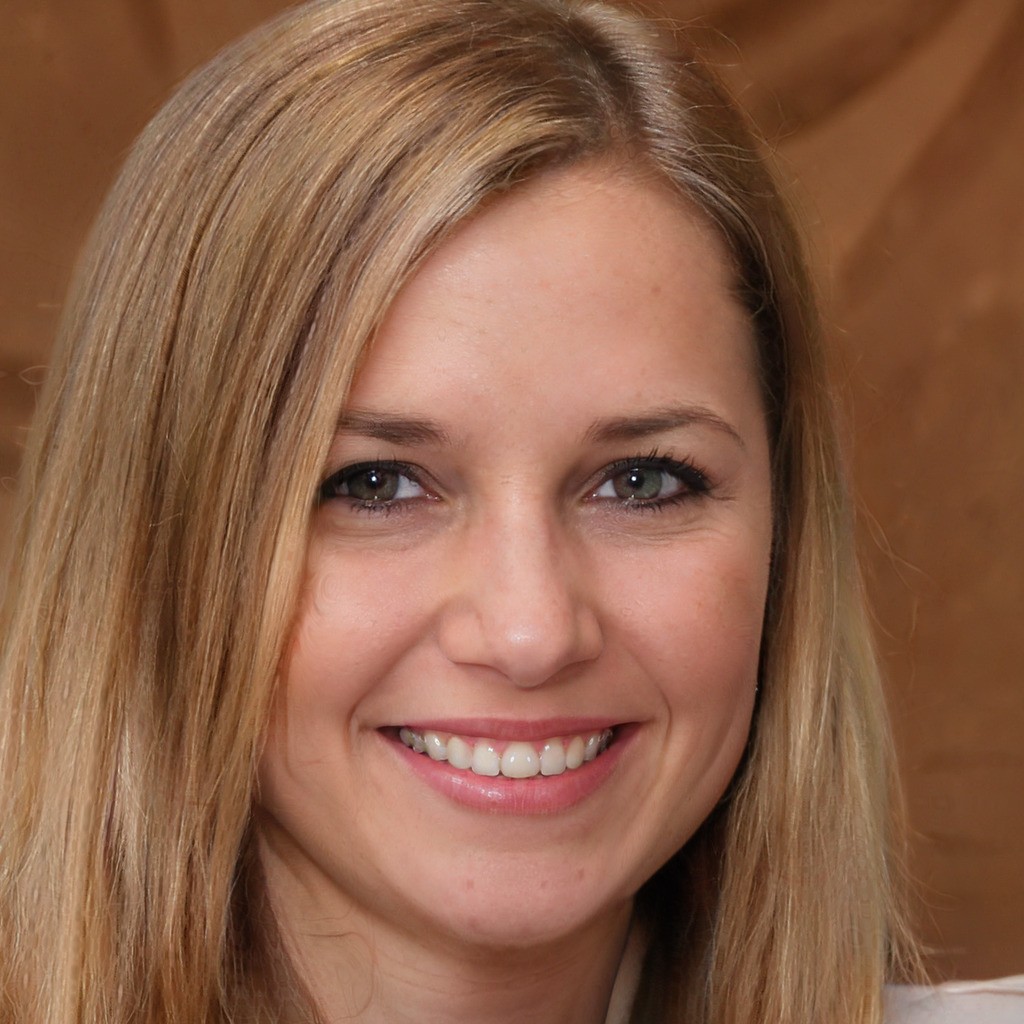 Margie Barron brought her expertise in health communication to the development of Toe Back Fitness, ensuring that the platform delivers practical, easy-to-understand fitness advice. With a focus on making wellness accessible to everyone, Barron curated content that promotes healthy habits and sustainable routines. Her attention to detail and passion for empowering users through informative articles have been instrumental in shaping the platform’s voice and relevance.