
I love helping people find simple ways to stay fit and healthy. You might wonder, does keto really work? Or how can I prevent injuries while working out? I get it. Life is busy, and we all want straightforward answers. I’m here to share tips, news, and reviews that make fitness feel doable. No fluff, just the good stuff. Ready to dive in? Let’s go.
The Bobbi Althoff AI Video Phenomenon: What You Need to Know
You’ve probably seen the recent surge in online videos featuring podcaster Bobbi Althoff in various scenarios. It’s confusing, right? How do you know if these videos are real or just clever AI creations?
This article aims to clear things up. We’ll look at whether these videos are real, how they are created using AI, and the ethical and legal questions they raise.
First, let’s address the core problem: determining the authenticity of this content. Many of these videos are not real. They are generated using advanced AI technology, which can create incredibly lifelike images and sounds. This makes it hard to tell the difference between a real video and a fake one.
Here’s a quick breakdown:
- AI Technology: These videos are made using deepfake technology, which uses neural networks to generate realistic images and sounds.
- Detection Tools: There are tools and techniques to spot deepfakes, but they’re not perfect. Look for inconsistencies in lighting, facial movements, and audio.
- Ethical Concerns: The use of deepfakes raises serious ethical issues. Misuse can lead to misinformation, fraud, and even harm to individuals.
The bobbi althoff ai video full video trend is a prime example of how AI can be both fascinating and concerning. It’s important to stay informed and cautious.
For more on how to spot and handle such content, check out this guide on identifying and dealing with deepfakes.
Fact vs. Fiction: How to Identify AI-Generated Videos
You might have seen those videos floating around, causing a stir. Let me clear the air: they’re not real. They’re AI-generated manipulations, or ‘deepfakes.’
So, how can you spot a deepfake? Here’s a quick checklist:
- Unnatural facial movements: Look for odd blinking patterns or a lack of subtle emotional expressions.
- Visual artifacts and glitches: Strange blurring around the hair or edges of the face, or mismatched lighting.
- Audio inconsistencies: A flat, robotic-sounding voice, or poor lip-syncing.
These signs can help you tell the difference between a real video and an AI-generated one.
Now, let’s talk about ‘digital likeness.’ It’s like when an actor in a movie uses a body double, but for their face. The AI takes source material—like podcasts, interviews, and other recordings—and uses it to create a digital version of that person. This digital version can then be used to make new videos, even if the person never actually said or did those things.
Think about the bobbi althoff ai video full video. If you look closely, you might notice some of these tell-tale signs. It’s a good example of how sophisticated these deepfakes can be, but also how they can still give themselves away with little details.
Stay sharp and keep these tips in mind. It’s all about being a savvy viewer in this digital age.
Behind the Pixels: The Technology Creating These Videos
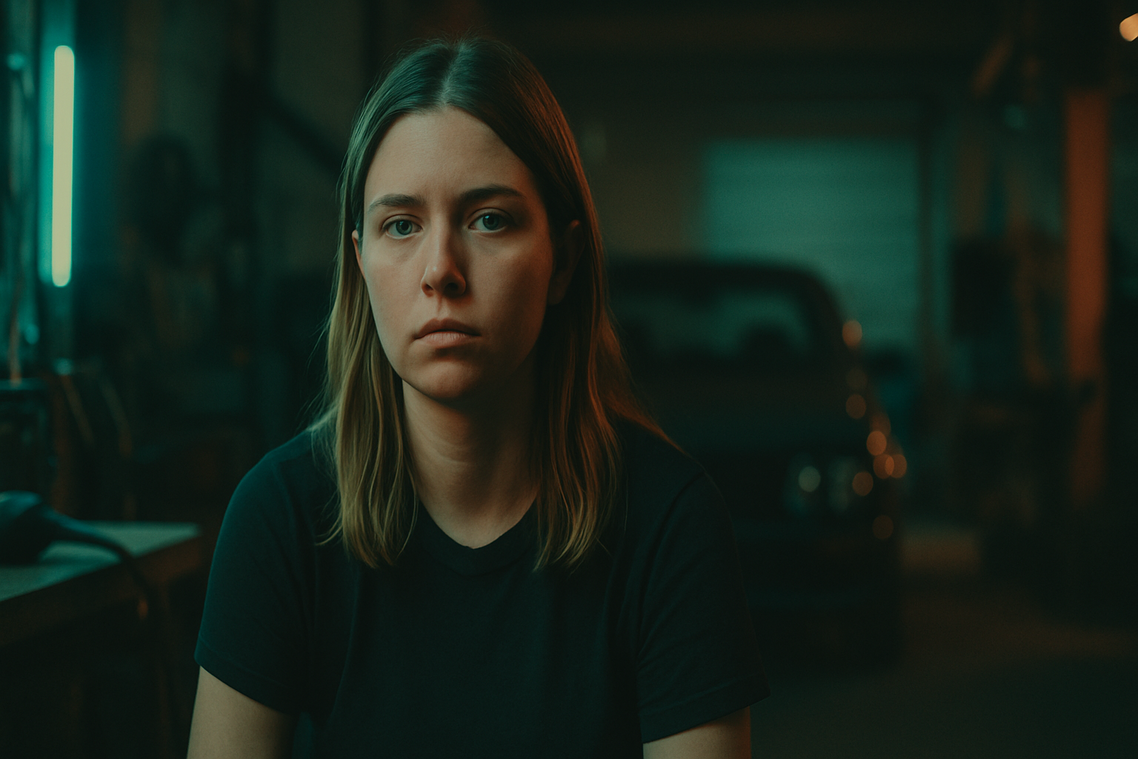
When you watch a video like the bobbi althoff ai video full video, you might wonder how it’s made. It’s not magic, but it’s pretty close. The tech behind these videos is called Generative Adversarial Networks (GANs) or Diffusion Models. These are the engines that create the content.
Here’s how it works. First, an AI model is trained on a large dataset of images and videos of the target person—in this case, Bobbi Althoff. Then, another AI tries to generate new video. A ‘discriminator’ AI judges if the new video looks real. This back-and-forth creates a feedback loop, making the output better and better.
What’s interesting is how accessible these tools have become. They used to be only for tech experts, but now, they’re available as apps and platforms anyone can use. That’s why we see so much of this content popping up.
I think it’s both exciting and a bit scary. On one hand, it opens up new creative possibilities. On the other, it raises questions about authenticity and privacy.
If you want to learn more, check out mrsblondebrewer nude, the official site.
The Unseen Consequences: Navigating the Ethical and Legal Minefield
One of the biggest ethical issues we face today is the creation and distribution of non-consensual imagery. It’s a violation of an individual’s right to control their own likeness. This can lead to serious harm, including reputational damage, harassment, and the spread of misinformation.
The legal landscape is tricky. There’s a concept called the ‘right of publicity’ which gives individuals control over the commercial use of their name, image, or likeness. However, it’s not always easy to enforce. Creators often hide behind anonymity, and jurisdictional issues make prosecution difficult.
Some states are starting to pass laws to criminalize malicious deepfakes. But there’s still a lot of debate around platform responsibility. For example, Section 230 of the Communications Decency Act shields platforms from liability for user-generated content, making it hard to hold them accountable.
So, what can you do? First, stay informed. Check out mar lucas fake nudes for more on this issue. Second, if you see something that looks non-consensual, report it. Platforms need to know when these images are circulating. Finally, support organizations that fight for stronger laws and better enforcement.
Remember, staying vigilant and informed is key. We all have a role to play in protecting each other’s rights and dignity.
Empowering Yourself in a Digitally Altered World
You found the clarity you were looking for: those videos are often fabricated with increasingly sophisticated AI. The line between real and fake is blurring, and this creates a new challenge for how we consume media.
Understanding this matters because it helps protect you from digital exploitation. It also fosters a more critical and informed online community. When you know what’s real and what’s not, you can make better decisions and avoid spreading misinformation.
Practicing digital skepticism is key. Verify sources before sharing content. Support initiatives that promote digital literacy and ethical AI development. By doing this, you stay ahead of the curve and help build a safer, more trustworthy internet.
The bobbi althoff ai video full video shows just how convincing these fakes can be. But with the right tools and mindset, you can spot them and stay informed.
Stay sharp, stay safe, and keep questioning.
bobbi althoff ai video full video
 Margie Barron brought her expertise in health communication to the development of Toe Back Fitness, ensuring that the platform delivers practical, easy-to-understand fitness advice. With a focus on making wellness accessible to everyone, Barron curated content that promotes healthy habits and sustainable routines. Her attention to detail and passion for empowering users through informative articles have been instrumental in shaping the platform’s voice and relevance.