
Smarter Workouts Through Data
As technology becomes more integrated into fitness, personal trainers are gaining a powerful edge through data. Smart tools, wearables, and real time trackers are revolutionizing how workouts are built, adjusted, and tracked making sessions not only more personalized but more effective too.
Real Time Insights From Wearables
Smartwatches, heart rate monitors, and advanced fitness trackers are now staples of modern training. They’re delivering:
Instant heart rate monitoring during exercise
Live calorie burn estimates and exertion levels
Insight into pacing, intensity, and recovery needs
Trainers no longer have to guess data shows exactly how a client is responding in the moment.
Biometric Feedback Personalizes Every Session
Beyond the basics, wearables are also tracking deeper biometric information:
Heart Rate Variability (HRV): Indicates recovery status and stress levels
VO2 Max: Measures aerobic fitness and cardiovascular efficiency
Sleep Quality & Readiness Scores: Help tailor training intensity to energy levels
These insights allow trainers to modify workouts daily, optimizing results without risking overtraining.
Why Data Driven Training Works
Tracking performance metrics over time leads to smarter programming and better results. Benefits include:
Faster progress: Personalized plans that evolve with real time feedback
Better adherence: Clients see measurable gains, keeping them motivated
Reduced injury risk: Smarter load management and recovery tracking
With biometric data at their fingertips, trainers are transforming from fitness instructors into performance strategists offering programs that are as individualized as they are effective.
Remote Coaching Is The New Normal
The old model one hour in a gym, three times a week is fading. Trainers are no longer bound by floorspace or zip codes. One on one video coaching has gone mainstream, offering a personal touch that rivals in person sessions. It’s flexible, direct, and allows trainers to track form, progress, and mindset in real time. For a lot of clients, it’s the structure they need without the commute.
Then there’s on demand content workouts people can follow whenever, wherever. It’s a solid option for self motivated users, but it’s less about tailored coaching and more about convenience. The real power is in blending both models: video check ins to stay personal, combined with a deep library of pre recorded routines.
Digital platforms are also stepping up when it comes to accountability. Automated check ins, progress tracking dashboards, and real time data integrations (from wearables and apps) mean clients can’t coast as easily. For trainers, that means less chasing and more coaching with systems doing part of the heavy lifting.
Going global is no longer a leap. It’s just business as usual. And for trainers who can adapt, that opens up bigger markets, more flexibility, and a stronger impact.
Virtual Reality & Augmented Feedback
Sweat, intensity, and focus except now, it’s in your living room. Immersive VR workouts are reshaping personal training by turning exercise into an experience. Whether it’s pedaling up a virtual mountain or throwing punches in a boxing simulation, VR is proving that motivation spikes when workouts ditch monotony for movement with meaning. It’s not just gamification it’s presence. When people feel like they’re somewhere else, doing something real, they tend to show up more often.
And then there’s AR less flashy, but just as powerful. Augmented reality is being built into glasses, mirrors, and even smartphones to provide instant feedback on form, posture, and movement patterns. Say goodbye to awkward self correction or delayed video critiques. AR overlays can now show you where your squat breaks down or how to adjust your elbow angle in real time. For trainers, this means they can guide a client’s body mechanics remotely, almost like being in the room.
Taken together, VR and AR are starting to erase the gap between physical and digital presence. It’s not science fiction. It’s one step closer to trainers delivering high touch coaching from across the globe without losing that essential feeling of connection.
AI Driven Personalization
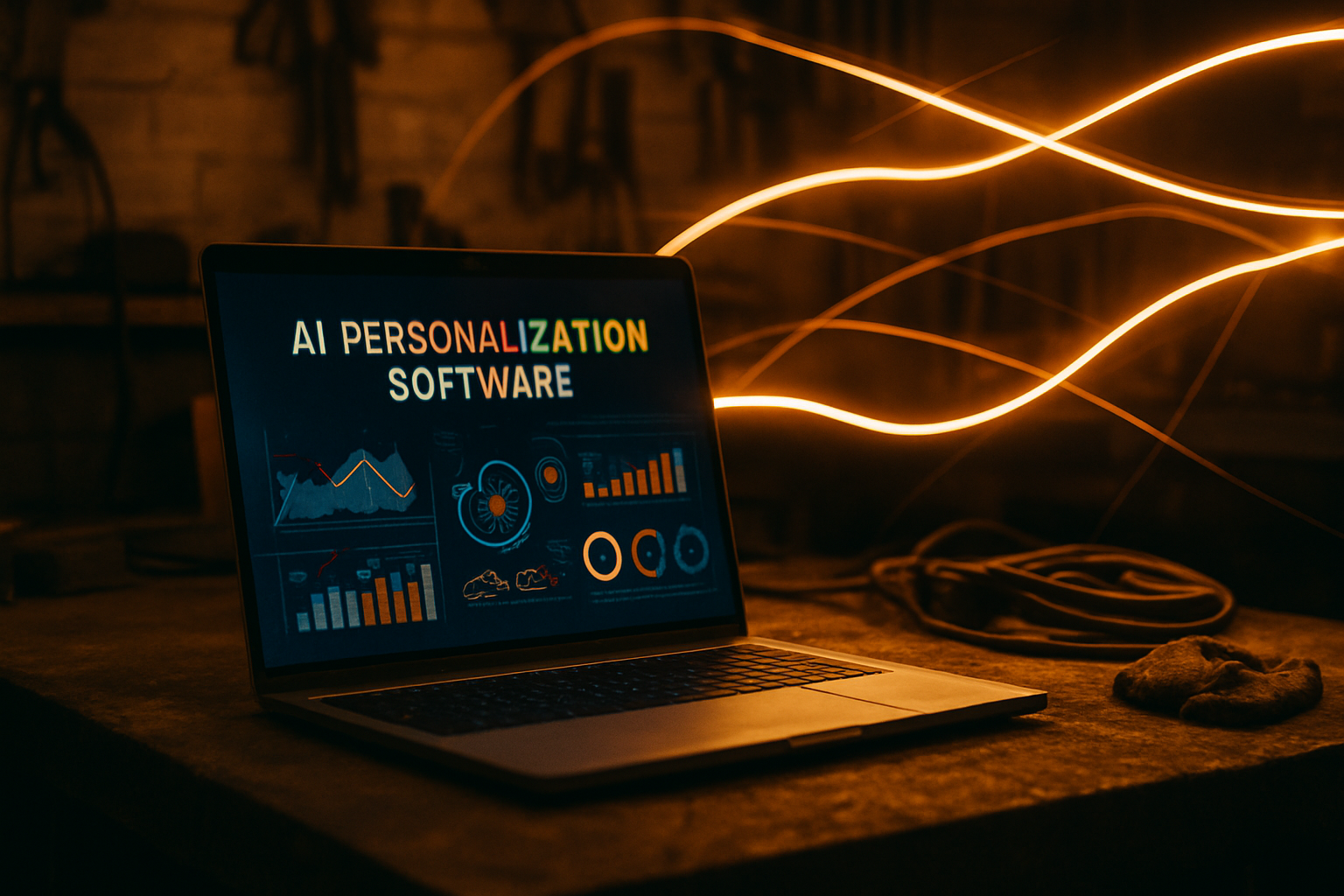
AI is no longer coming it’s already here, and it’s reshaping how personal training works behind the scenes. The newest algorithms don’t just follow a plan; they respond in real time. If a client didn’t sleep well, or their heart rate variability drops, the system can pull back today’s workout intensity. If they’re crushing it, the workout scales up. It’s live coaching logic without the human time crunch.
For trainers, AI is unlocking serious headspace. Smart tools are handling scheduling, progress tracking, even generating hyper specific programs based on micro adjustments in performance. That means less time tinkering with spreadsheets and more time actually coaching. The creative, human parts motivation, connection, accountability stay front and center, which is exactly where coaches win.
Bottom line: AI won’t replace personal trainers. But trainers who use it well will replace those who don’t.
The App Revolution Continues
Fitness apps have evolved far beyond simple workout timers or step counters. In 2024, the surge in specialized platforms is transforming how people train, connect, and stay consistent.
Niche Training Goes Digital
Personal training apps are becoming increasingly tailored to specific user needs. Whether you’re recovering from injury, training for a marathon, or building strength, there’s a dedicated program built just for you:
Rehab focused programs designed with input from physical therapists
Running apps that adjust pace and cardio routines based on real time biometrics
Strength training platforms offering periodized plans with built in progress tracking
These tools aren’t generic they’re precise, adaptive, and purpose built.
Community Is the Retention Strategy
It’s not just about the workout it’s about belonging. Connected fitness communities within apps are helping users stay motivated and accountable:
Progress sharing and group milestones that drive engagement
In app coaching boards where users connect with trainers
Challenges and leaderboards that create a sense of friendly competition
Community features transform solo routines into shared experiences, boosting long term commitment.
Pushing Boundaries with Innovation
Leading edge apps are now integrating AI, biometric syncing, and holistic wellness tracking. These innovations offer smarter insights and smoother user experiences than ever before. Want to see what’s redefining fitness tech?
Check out how next gen platforms are leveling up the experience: Innovative Fitness Apps
What This Means For Trainers
The shift to tech integrated fitness isn’t just changing how clients train it’s transforming how trainers work. One of the biggest wins? Flexibility. With remote sessions, automated programming, and apps doing some of the heavy lifting, trainers are no longer tethered to early mornings and gym floor hours. That breathing room helps reduce burnout, which has become an industry wide issue.
But there’s a catch: staying relevant now means staying sharp. Trainers need to level up on tools like AI based programming, wearables integration, and digital platforms. Continuous learning isn’t a bonus it’s part of the job.
At the same time, the human connection can’t get lost in the tech. Knowing someone’s form is off through an app is great, but giving them a reason to show up again tomorrow still takes empathy and presence. The trainers who will thrive are the ones who blend smart systems with a strong sense of humanity. Tech should support your coaching, not replace your ability to connect.
Looking Ahead
The tech in personal training isn’t slowing down it’s accelerating. Over the next 3 5 years, we’ll see AI systems that don’t just track progress but predict plateaus before they happen. Wearables will move from steps and heart rate into more nuanced territory hydration levels, blood oxygen trends, nervous system readiness. VR and AR will become more accessible, giving trainers the power to virtually walk clients through workouts in living rooms across the globe, no goggles required.
But here’s the thing: it’s not just about staying current with gadgets. Adaptability is what separates thriving trainers from the ones getting left behind. Learning fast, experimenting with new tools, and adjusting your coaching style to different mediums online, hybrid, in person is the real muscle to train. Because the core job hasn’t changed: help people move, feel, and live better. The tools will evolve. You have to evolve with them.
 Dawnny Armstrongster, the visionary founder of Toe Back Fitness, is a passionate advocate for health and wellness, driven by a mission to empower individuals to lead active, balanced lives. With a deep understanding of fitness and injury prevention, Armstrongster has cultivated a platform that merges expert insights with practical advice, making fitness accessible to people at all levels. Her commitment to promoting sustainable lifestyle habits and safe workout practices reflects her dedication to long-term well-being. Under her leadership, Toe Back Fitness has become a trusted resource for those seeking to enhance their physical health, choose the right gear, and build routines that align with their fitness goals.